
School Wi-Fi, broadband and networks
When the Wi-Fi drops, the lesson stops.
Nobody notices the network until it fails, and then everybody does. We survey what you actually have, find the root cause rather than replacing access points and hoping, and build something that holds up when every class is online at once.

What’s included
Four things that make up the network underneath your school.
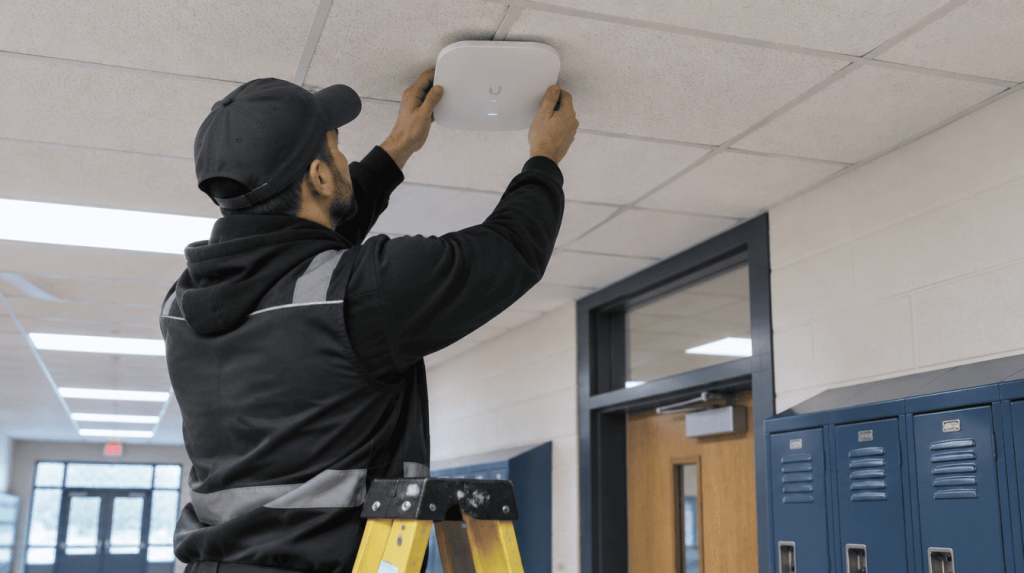
Wi-Fi and wireless networks
A Wi-Fi survey, capacity planning and a coverage heatmap before anything is specified. Designed around how many devices are live in a room at once rather than the floor area, and built to meet the DfE wireless network standard updated in April 2026.
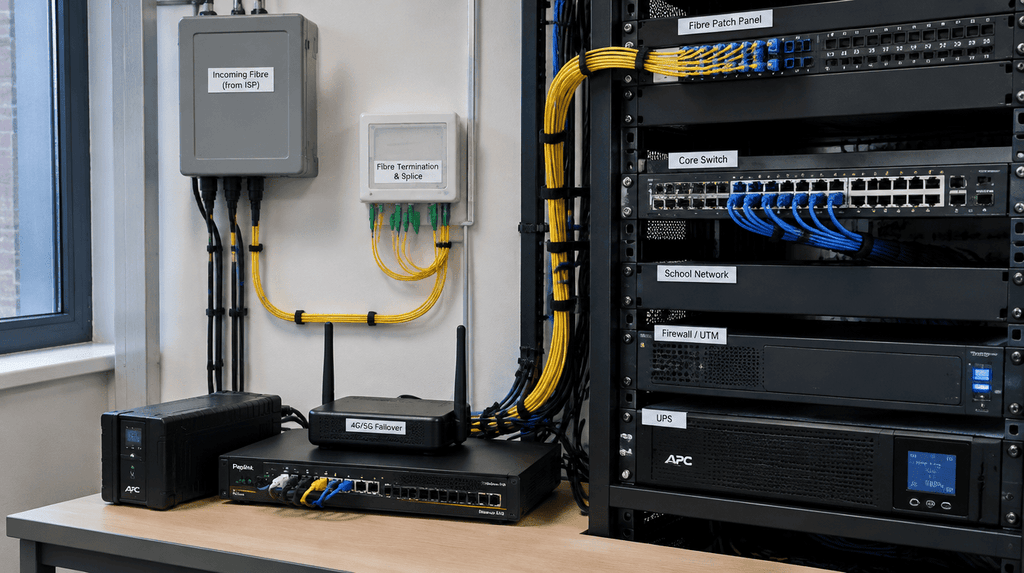
Broadband, telephony and resilience
Primary and backup circuits with automatic failover, monitored for uptime and packet loss, alongside VoIP phones that hold up when the whole school is online. If the fault sits with the provider, we chase them rather than you.

Firewall and network security
Next-generation firewall at the network edge with content filtering, intrusion prevention and segmentation, so guest, BYOD and curriculum traffic never share a path with your management systems.
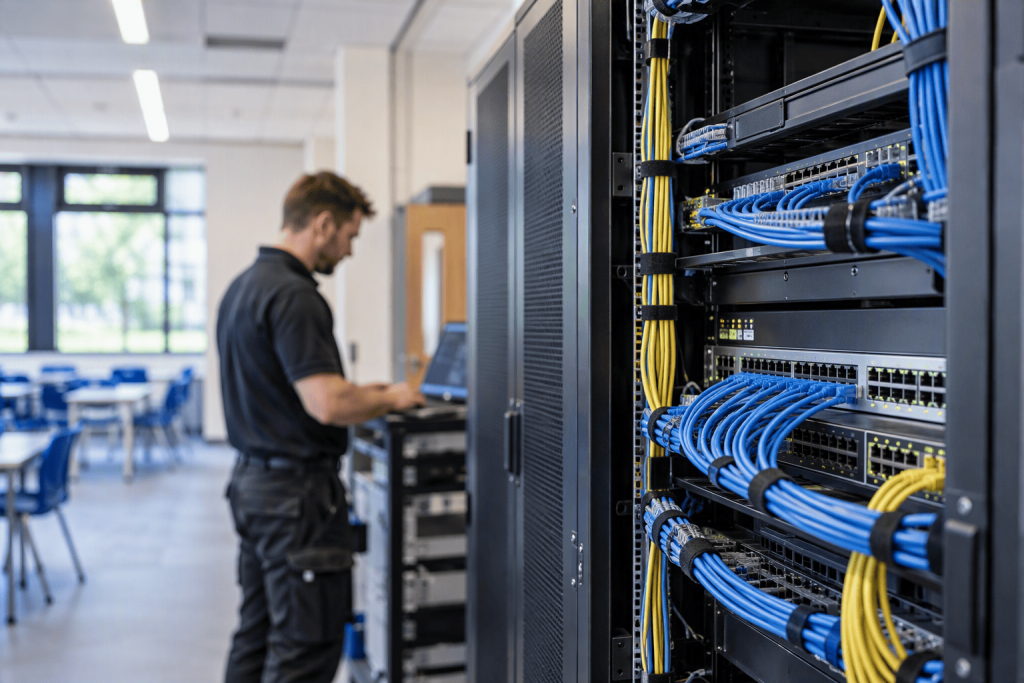
Structured cabling and switching
Cat6A and fibre backbone, comms room design, PoE switching and containment. Specified, installed and documented properly the first time, so the next person can follow what was done.
Where this matters most
The same network, different priorities depending on the school.
Independent schools
Campuses split across sites and buildings, where a slow link between them shows up in the classroom.

State schools
When the Wi-Fi drops mid-lesson, you’re the one hearing about it. We find the root cause rather than replacing access points.
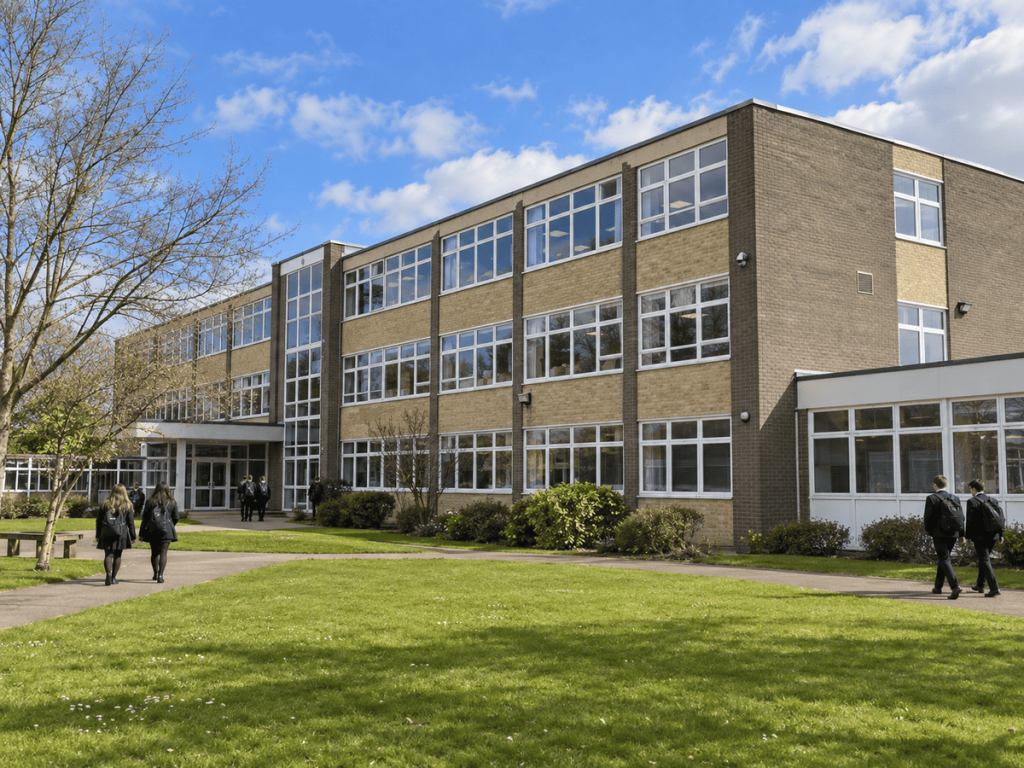
Multi-academy trusts
Schools that joined at different times running different kit. One standard across the trust, with every school able to stand alone if it needs to.

SEND Settings
Reliable connectivity for pupils who depend on their device to access the lesson at all.
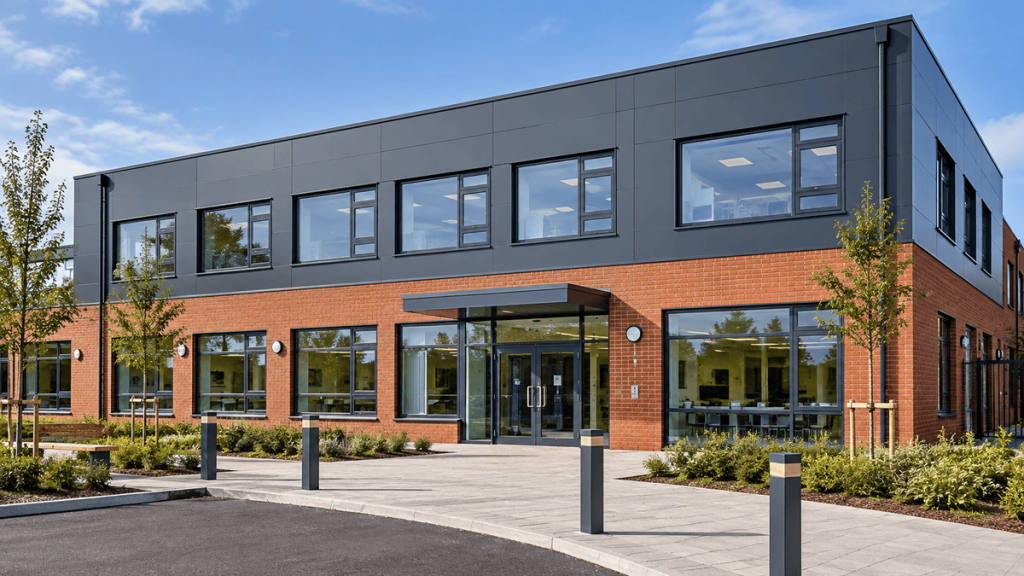
New Build
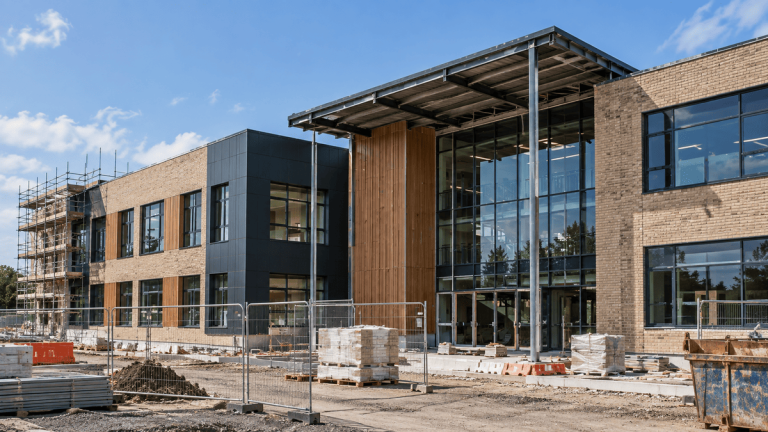
Cabling, comms rooms and Wi-Fi designed into the building from stage two, not added at the end.
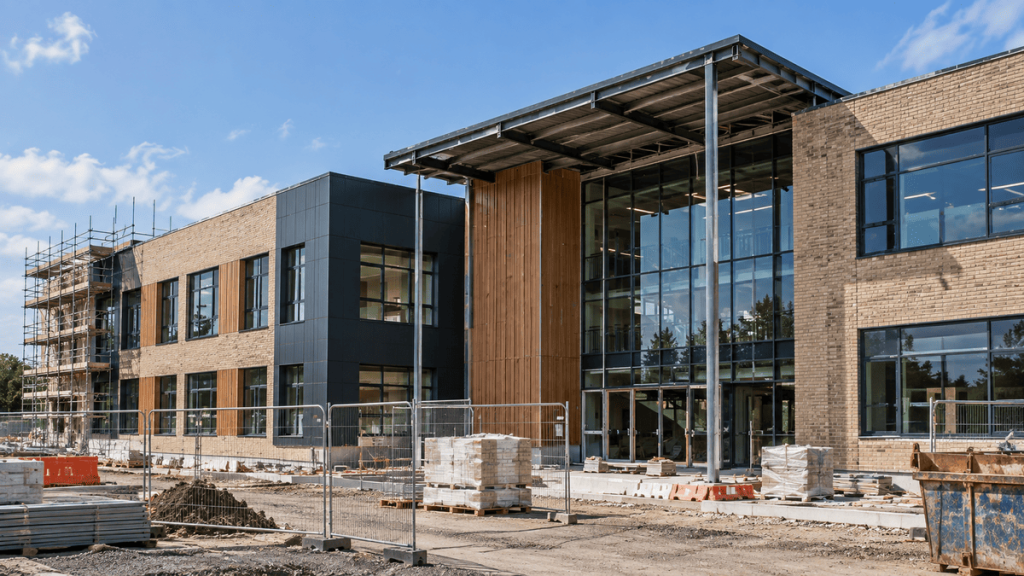
DfE Digital Standards 2030
Three of the six core DfE digital standards are network standards, and the wireless requirements were updated in April 2026. Start with the DfE’s own Plan Technology for Your School self-assessment. We turn what it tells you into a gap analysis and a prioritised remediation roadmap, costed and staged out to 2030.
Training
Buying it is
the easy part.
Schools buy the right technology all the time and never find out what it does. Every solution we deliver comes with training for the people who will actually use it, built around how your staff work rather than a manual left on a desk. Run on site or remotely, and repeated when new staff arrive.
Decades of experience. UK wide presence.
The vendors behind your security stack, chosen because they hold up in a school rather than because of a reseller agreement.


















Related reading
Guidance on keeping the school secure.
Come find us at BETT 2027
We'll be at ExCeL London this January with the people who actually do the work: the team who run the…
Read more about Come find us at BETT 2027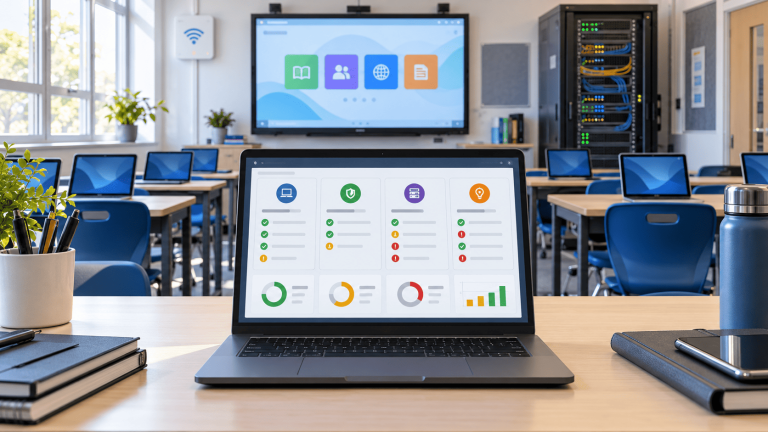
They upgraded everything. They still weren’t compliant
New devices. Faster Wi-Fi. Better security. The investment was significant. The compliance gap remained. Many schools assume DfE compliance comes…
Read more about They upgraded everything. They still weren’t compliant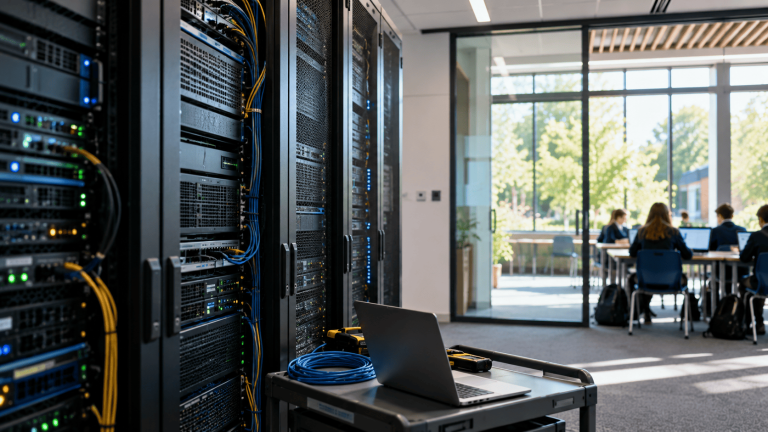
The 160k of servers they didn’t need
Before replacing ageing servers, schools should consider cloud migration to cut long-term costs and invest more in teaching technology.
Read more about The 160k of servers they didn’t needFAQs
What schools ask us most about their networks.
Our Wi-Fi keeps dropping. Does that mean we need new access points?
Usually not. Wi-Fi problems are more often caused by the network underneath: switch faults, port flapping, PoE issues, saturated uplinks or the internet connection itself. Replacing access points without finding the root cause is expensive and often changes nothing. We would rather run a health assessment first and tell you what is actually wrong.
What does a Wi-Fi health assessment involve?
We look at access point uptime and disconnections, client connection failures, channel utilisation and interference, switch and PoE errors, WAN uptime and packet loss, and DHCP and DNS health. You get a coverage heatmap and, more importantly, an identified root cause rather than a recommendation to buy more kit.
Does our network need to meet the DfE standards?
Yes. Broadband, wireless network and network switching are three of the six core standards schools should meet by 2030, and the wireless requirements were updated in April 2026. We can tell you where you currently stand.
Can you work with the network we already have?
In most cases, yes. We would rather get more life out of what is there and stage the replacement across a few budget years than tell you to rip it all out at once.
Still have questions?
Talk to us directly and get the answer you need.
Not sure if this is
what you need?
Most schools aren’t. That’s what the conversation is for. We’ll tell you what’s actually worth doing, and what isn’t.