
How we think about technology in schools
Should every pupil have their own device?
Not necessarily, and that question is where most schools go wrong. There isn’t one right answer. There are four types of learner, and a good technology strategy plans for all of them.
The four types of learner
Every pupil falls into one of four types, and so does every teacher. Design for one and you’ve designed for a quarter of the school.
Walk into a classroom where this works and you’ll see all four at once. Six children on iPads, five on Chromebooks, some writing next to a screen, some with nothing. They’ve been given the choice, and that’s the whole point.
01
The room
Prefers going somewhere specific to do a specific job. An IT suite still has a place, whatever the trend says.
02
Their own
Wants a device that belongs to them, set up how they like it.
03
Shared
Learns better working alongside someone else, one device between two, both contributing.
04
Whatever fits
Picks the right tool for the task in front of them. Tablet for one thing, laptop for another, sometimes nothing at all.
What a digital strategy actually needs
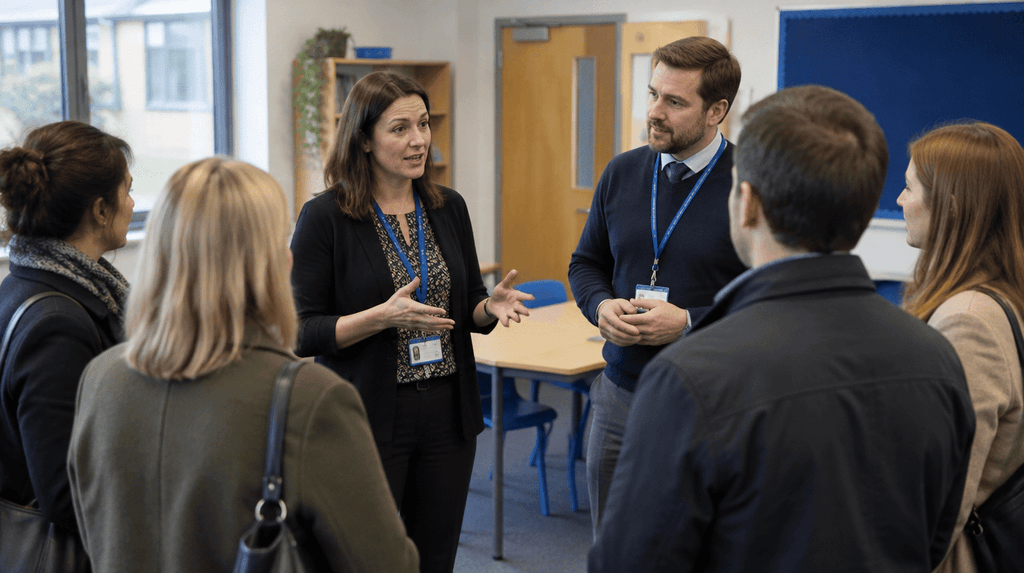
Staff voice
What teaching actually looks like in your school, from the people doing it.
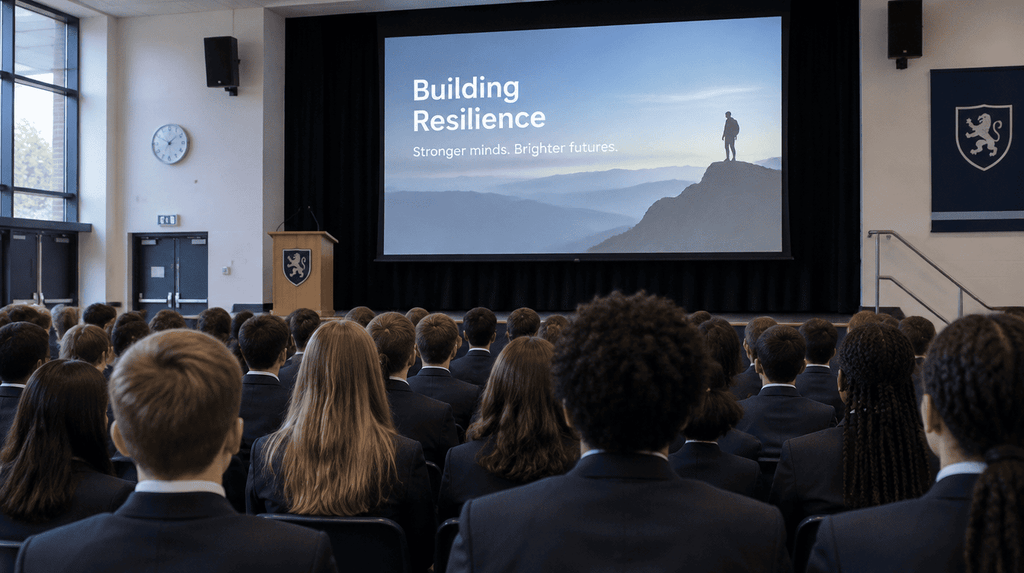
Pupil voice
How the children learn, which is easy to assume and rarely asked.
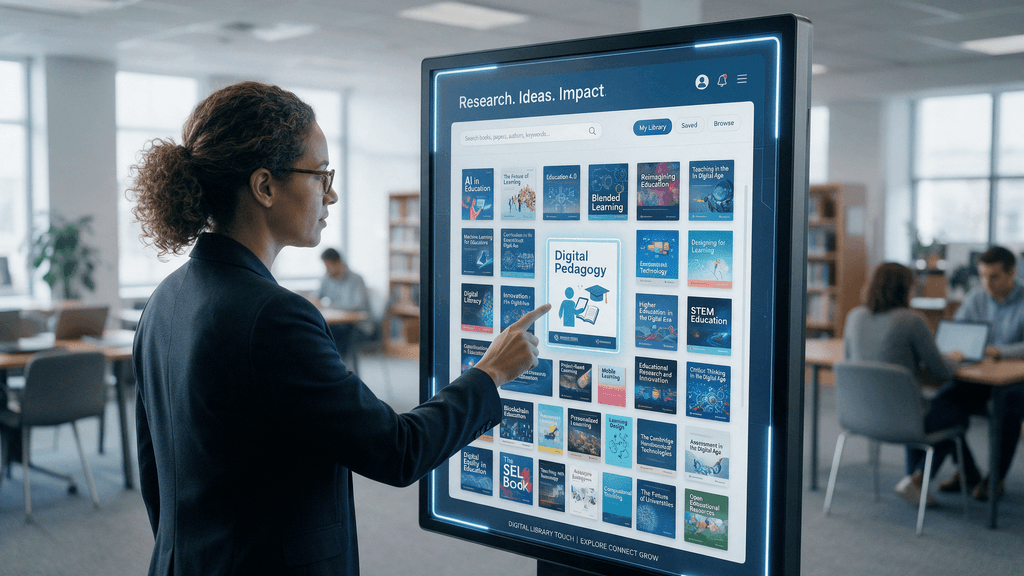
Academic input
What the research says about how technology changes teaching, rather than what’s fashionable.
Technology input
What’s genuinely possible, what it costs, and what’s not worth the money. That’s us.
It only matters if it changes learning
A strategy that doesn’t alter how a pupil learns is just a document. We measure success by the change in the classroom.
The purpose of a school isn’t just knowledge, it’s passing values to the next generation, and that only happens when children learn to teach themselves. Technology that doesn’t change what happens inside a learner’s head is a fad, whatever it’s called this year. That was true of YouTube and it’s true of AI.

Start where you are
Choose your institution…
Independent schools
Confident about where you’re going, less certain what sits underneath?
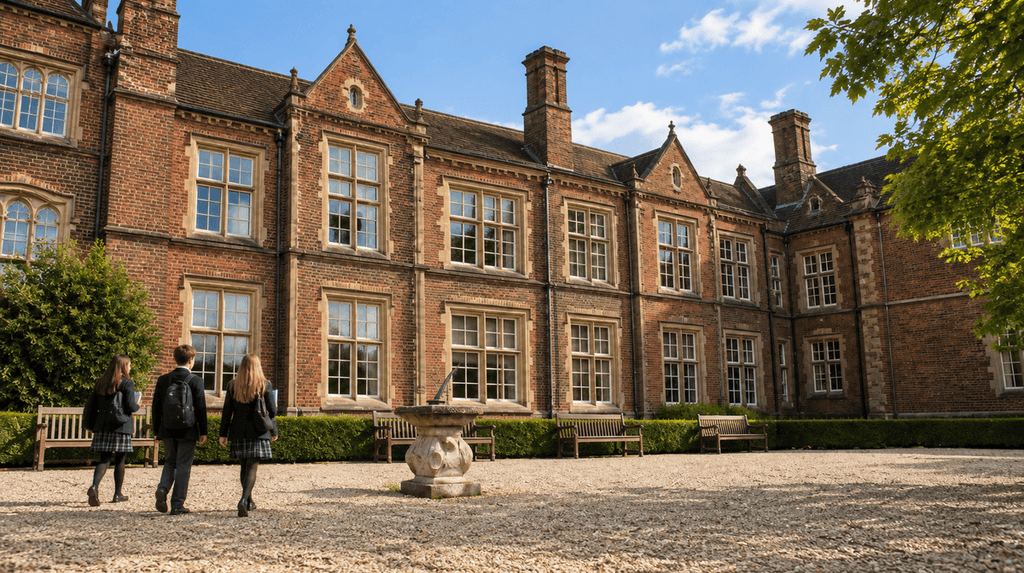
State schools
Budgets that have to stretch, and standards that don’t move.
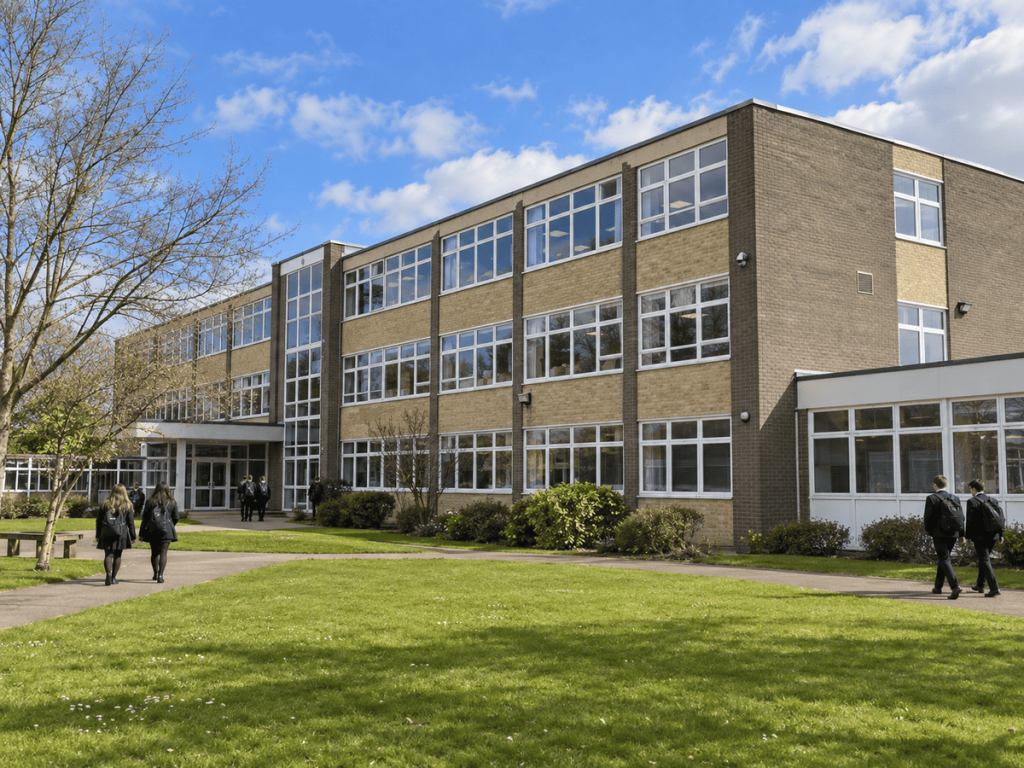
Multi-academy trusts
Different schools, different kit, one set of expectations.
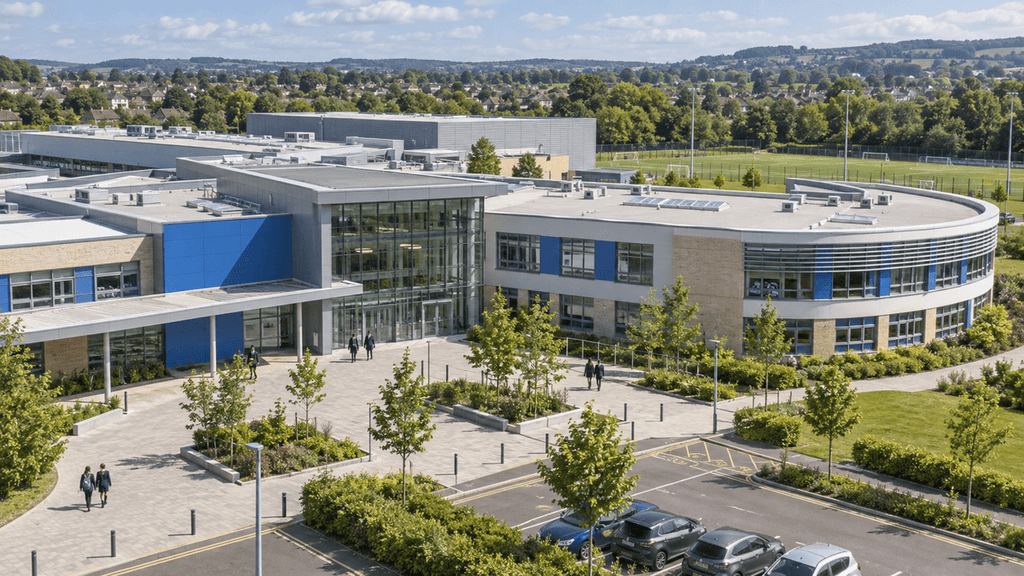
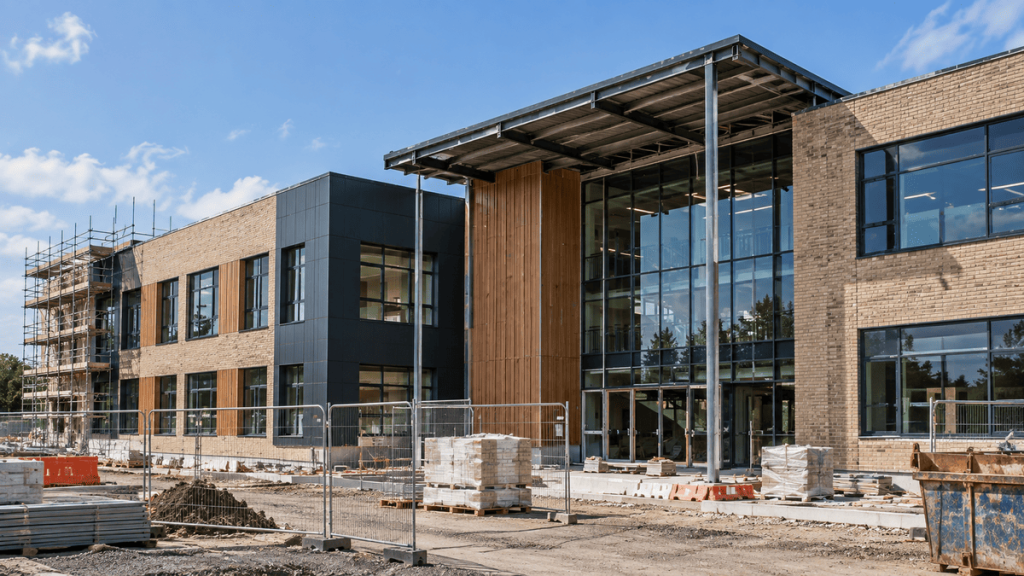
New Build
New build or refurbishment, with the technology designed in from the start.
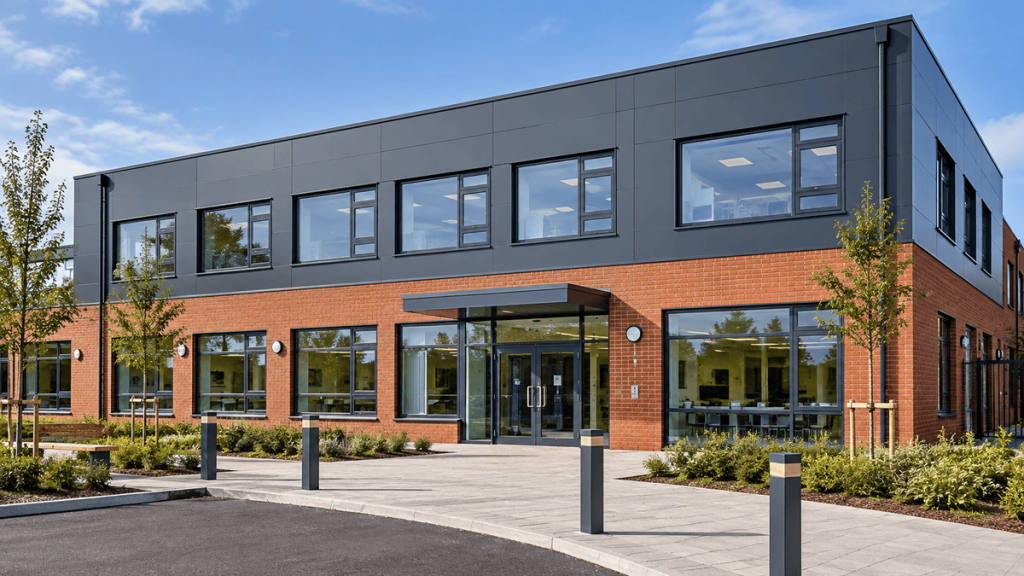
SEND Settings
Technology that works for every pupil.
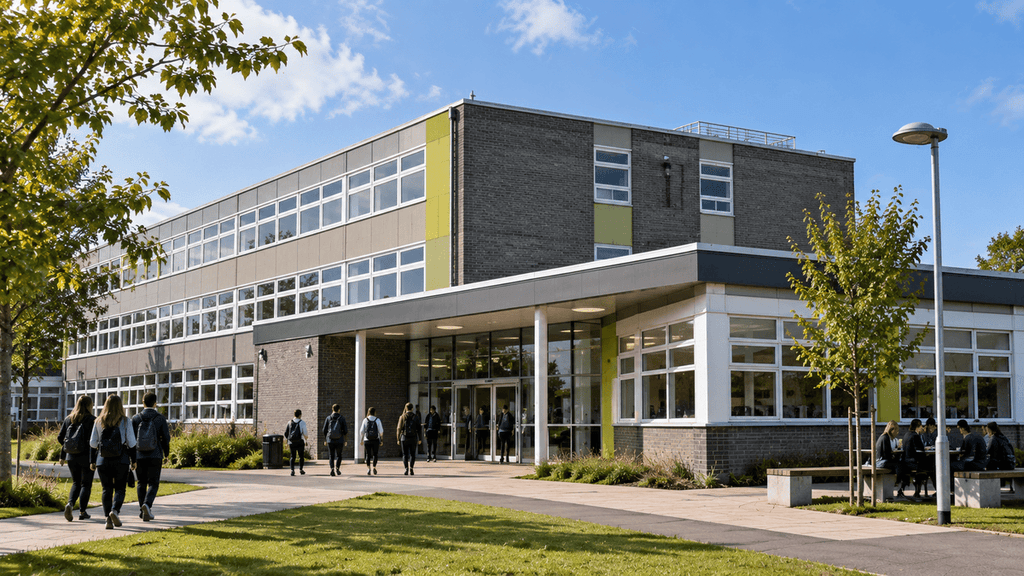
Colleges
Bigger estates, more users, and a network that has to behave like a campus.
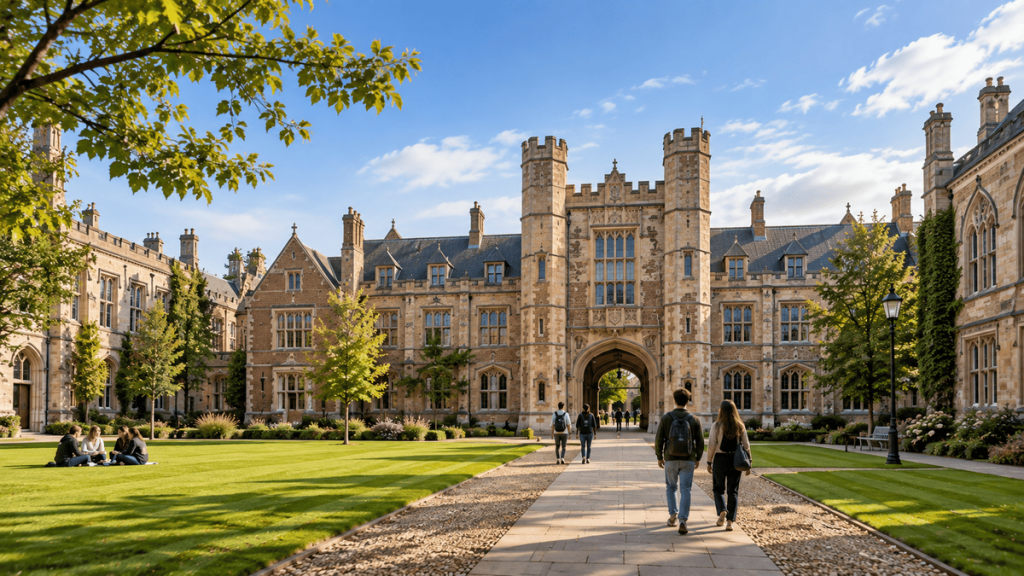
Universities
Research, residences and teaching space on one estate.
Talk to us about your
school’s strategy
Not sure which type of learner your school is designing for? That’s usually the first thing worth working out.